Beat the Heat: Best Air Conditioning Services for Every Home
When addressing the matter of maintaining comfort in the home, picking the right HVAC provider is vital. Homeowners should assess factors such as company reputation, technician qualifications, and the selection of cooling options provided. Ongoing service plays an key role in system functionality, while spotting signs of needed repairs can prevent unexpected malfunctions. Yet, many continue to neglect eco-friendly cooling options that could provide both ease and savings. What are the best practices for selecting and maintaining these systems?
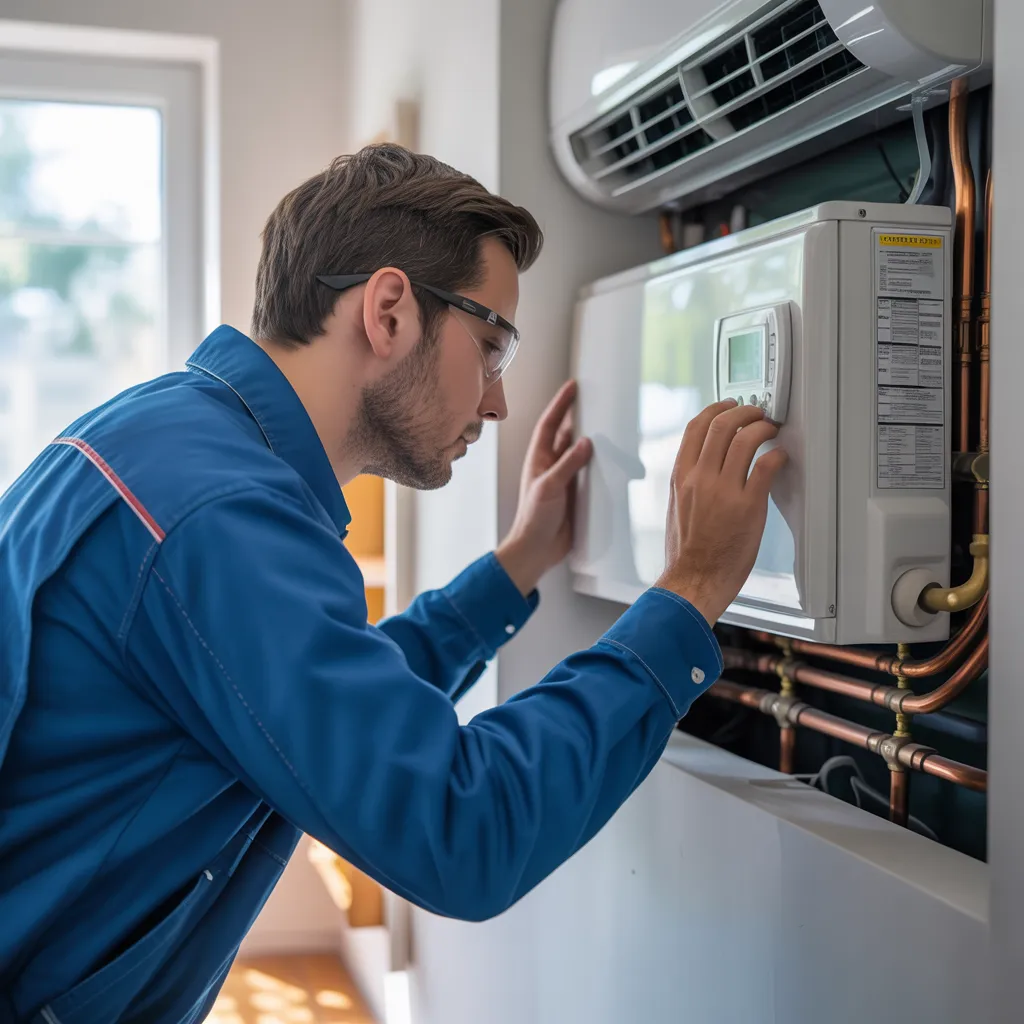
How to Pick the Best Air Conditioning Services
When selecting the top air conditioning services, what elements should one evaluate? First, it is essential to assess the company's reputation. Customer reviews and testimonials can offer insight into dependability and quality of service. Additionally, verifying the qualifications and certifications of professionals is important, as skilled professionals ensure proper installation and maintenance.
An critical consideration is the range of offerings rendered. A comprehensive provider should manage installation, repair, and routine maintenance. Additionally, transparent pricing prevents unexpected costs; obtaining detailed estimates is recommended.
Moreover, factor in the turnaround time for urgent needs, as efficient service can be essential during severe weather events. Finally, identify companies that offer guarantees or protections on their work, which can provide enhanced reassurance. By taking into consideration these factors into account, individuals can make educated choices when picking air conditioning services that best address their preferences.
Understanding Different Types of Air Conditioning Units
Grasping the various kinds of air conditioning units is essential for efficient climate control in homes and businesses. Central air conditioning systems deliver thorough cooling through ductwork, while ductless mini-split options deliver flexibility and efficiency for targeted spaces. Each system has distinct advantages that appeal to different needs and preferences.
Heating and cooling installations for full-house air conditioning
Central air conditioning systems provide an efficient approach to temperature control in entire homes or large spaces. These systems consist of a central unit that moves cooled air through a series of ducts, ensuring uniform temperature distribution. Typically, they feature an outdoor compressor unit and an indoor air handler, which operate together to preserve comfort. Central air conditioning is celebrated for its performance, particularly in larger homes, as it can cool multiple rooms at once. Installation demands professional evaluation, considering factors like home size and insulation. Regular maintenance, such as filter changes and system checks, is essential for optimal functionality and longevity. Homeowners typically value the ease of centralized control, making it a popular choice for residential cooling needs.
Ductless Mini-Split Systems
Ductless mini-split systems furnish a adaptive and reliable alternative to standard air conditioning options, especially in homes without ductwork. These systems integrate an outdoor compressor unit and one or more indoor air-handling units, enabling precise climate control in specific areas. This design not only amplifies energy performance by eliminating energy loss inherent in ducted systems but also grants homeowners with customizable temperature control. Mini-splits are available in various configurations, including single-zone and multi-zone systems, serving different space requirements. Additionally, many models come with modern features such as programmable thermostats and energy-saving modes. Overall, ductless mini-splits present a flexible answer for achieving comfort in diverse living environments.
Essential Maintenance Tips for Your AC System
Keeping your air conditioning system in good shape is crucial for peak efficiency and long-term reliability. Important service routines involve replacing filters regularly, cleaning coils, and verifying thermostat settings. Applying these important strategies can substantially increase operational efficiency and cut energy expenses.
Routine Filter Renewal
Consistently replacing air filters is important for optimal air conditioning performance. Blocked filters limit airflow, forcing the system to work harder, which can lead to increased energy consumption and reduced efficiency. This pressure may reduce the lifespan of the unit and result in expensive repairs. Moreover, dirty filters can circulate dust, allergens, and other pollutants throughout the home, compromising indoor air quality. Homeowners should check their filters monthly and change them every one to three months, depending on usage and filter type. Regular maintenance not only enhances comfort but also ensures the system operates at peak performance. By prioritizing filter replacement, individuals contribute to a more fuel-saving environment and a healthier living space.
The Vital Role of Coil Cleaning
Cleanliness plays an essential role in the effectiveness of an air conditioning system, particularly when it comes to the coils. The evaporator and condenser coils are important for heat exchange, and dirt accumulation can substantially hinder their performance. When coils are dirty, the system must work more intensely to cool the air, resulting in increased energy consumption and elevated utility bills. Regular coil cleaning helps preserve ideal airflow and enhances the overall performance of the unit. It can also prolong the lifespan of the air conditioning system by stopping overheating and mechanical failures. Homeowners should arrange professional cleaning at least once a year, notably before peak usage seasons, to guarantee their system operates smoothly and properly.
Temperature Control Calibration Checks
A well-calibrated thermostat is key for peak air conditioning performance. Regular calibration checks guarantee that the thermostat faithfully represents the set temperature, stopping unnecessary energy expenditure and enhancing comfort. Over time, factors such as dust accumulation or temperature fluctuations can bring about discrepancies in readings. Homeowners should plan these checks at least once a year or before major usage times. During a calibration check, technicians can fine-tune the controls, ensuring maximum functionality. Additionally, upgrading to a smart thermostat can offer more precise control and energy conservation. Maintaining a correctly set thermostat not only prolongs the lifespan of the air conditioning system but also supports lower utility bills, emphasizing its value to overall HVAC maintenance.
Signals Your Air Conditioner Calls For Repairs?
How can occupants verify their air conditioning systems are operating at their best? Recognizing the signs that indicate a need for repairs is necessary. One common warning sign is inadequate cooling; if the air conditioner struggles to maintain a comfortable temperature, it may signal hidden issues. Unusual noises, such as grinding or squealing, can also reveal mechanical problems that need attention. Additionally, a noticeable increase in energy bills without a change in usage may suggest the unit is working harder than necessary due to inefficiencies. Homeowners should also watch for unusual odors, which can indicate mold or electrical issues. Finally, if the system frequently cycles on and off, known as short-cycling, it often suggests a malfunction that should be addressed promptly. By staying vigilant for these signs, homeowners can ensure their air conditioning systems remain in peak condition.
Steps to Take When Your AC Stops Working?
When an AC system ceases to operate, additional info it can disrupt comfort and produce stress for residents. The first step is to look at the thermostat to confirm it is set appropriately. If it appears functional, property owners should check the electrical panel for any blown fuses or tripped switches. Next, checking the air filter for dust and clogs is essential, as a blocked filter can limit airflow. If these basic diagnostic steps do not fix the issue, reaching out to a professional technician is recommended. They can determine complex issues, such as refrigerant leaks or compressor failures. Residents should not attempt repairs without sufficient training, as this can cause additional damage. While waiting for a technician, maintaining closed doors and windows can help preserve interior temperatures. By following these steps, property owners can more effectively manage the situation until professional help arrives.
Electricity-Reducing Choices for Keeping Your Home Cool
While standard cooling units are reliable, considering energy-saving options can substantially minimize both power usage and monthly bills. Dwellers can prefer SEER-rated cooling systems to maintain excellent functionality. Ductless systems offer versatility, facilitating room-by-room cooling without the efficiency loss associated with traditional air ducts. Besides, smart climate controllers can fine-tune cooling operations, conforming to the resident's way of life and limiting excess power consumption.
Evaporative coolers, well-suited for dry climates, apply water evaporation to cool air, using considerably less electricity than conventional units. For those looking for sustainable solutions, solar-powered air conditioning units utilize renewable energy, further minimizing environmental impact.
Ultimately, continuous maintenance and suitable insulation serve as essentials in upholding efficiency. By selecting these environmentally-conscious cooling alternatives, homeowners can obtain comfort while likewise furthering to energy efficiency efforts and cost savings.
Popular Inquiries Asked Often
How Often Should I Replace My Air Conditioner?
Air conditioners typically require replacing every 10 to 15 years, depending on usage and maintenance. Regular maintenance can extend their lifespan, but efficiency declines over time, encouraging many homeowners to contemplate replacement sooner.
Should I try to set up an AC Unit on my own?
Installing an AC unit yourself is feasible, but it requires technical knowledge and observance of local codes. Improper installation can result in efficiency issues or safety hazards, so professional assistance is widely recommended for best performance.
Which Companies Supply the Top Coverage?
Leading businesses like Trane, Lennox, and copyright offer some of the top-tier warranties in the sector. Generally, these warranties cover parts for up to ten years, giving customers with peace of mind regarding their financial commitment.
How Can I Enhance My AC's Efficiency?
To boost an AC's performance, one should frequently change or clean filters, ensure adequate insulation, schedule annual maintenance, and optimize thermostat settings. Additionally, closing ducts can avoid energy loss, boosting overall performance and reducing energy costs.
Do financing options exist for AC installation?
Many companies offer funding choices for air conditioning installation, allowing homeowners to pay over time. These plans often include affordable loan options or financing agreements, making it easier to invest in effective cooling systems.